
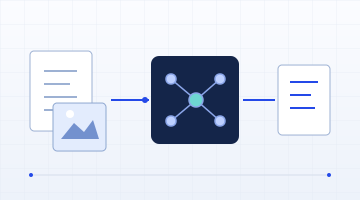
01 · AI APPLICATIONS
Put models to work.
Process documents, interpret images or run AI applications using computing resources matched to the model.
Tell us: what the model does and how much work it needs to handle.
DATA CENTERS
Explore the installations and infrastructure behind our planned network.
PROPERTY OWNERS
Understand hosting, check the requirements and share a property with us.
ABOUT PLENTYFIELD
Meet PlentyField and explore how we work with project partners.
COMPUTING FOR BUSINESSES & OPERATORS
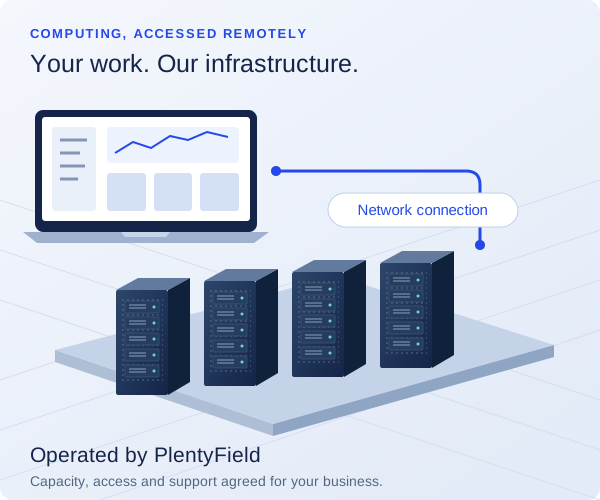
Use computing resources for your applications or services without developing a data center yourself. PlentyField makes the infrastructure investment and operates the installation.
For businesses running applications and computing operators serving their own customers. You buy access to agreed computing resources, with connectivity, contract duration and support defined for your requirements.
Contact us to discuss future capacity. We will confirm availability and delivery dates in your proposal.
WHAT YOU COULD RUN
Process documents, interpret images or run AI applications using computing resources matched to the model.
Tell us: what the model does and how much work it needs to handle.
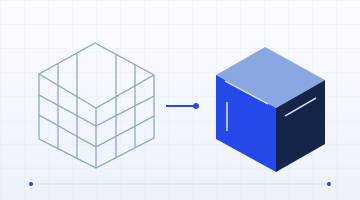
Render detailed images or run simulations to explore designs and engineering questions.
Tell us: the software you use and the size or duration of a typical job.
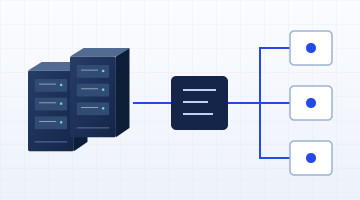
Discuss capacity for a platform serving your customers, with defined access and operating responsibilities.
Tell us: the capacity, connectivity and service scope you need.
ILLUSTRATIVE CUSTOMER EXAMPLE
A rendering operator turns its customers’ 3D designs into finished images or animation. Demand is growing, and it wants to plan additional computing capacity while keeping its own platform and customer relationships.
Rendering work can often be divided into separate frames or jobs. Each job still needs compatible software, enough memory and access to the project files.
The operator could discuss renting computing resources from PlentyField for suitable jobs, without developing and operating another data center itself.
Discuss a similar requirementInvest in, develop and operate the data center infrastructure, and provide the agreed computing resources and access.
Manage its customer relationships, project files, rendering software and job scheduling. Responsibility for licensing, data protection, monitoring and support is agreed before contracting.
Illustrative example, not a completed customer project. Software compatibility, performance and integration need project-specific assessment. Service starts only after the agreed delivery and acceptance conditions are met. See the customer process and deployment conditions.
WHO DOES WHAT
PlentyField builds and operates the data center. We work with you to agree the computing setup, how your team will access it and the support you need.
START WITH YOUR WORKLOAD
A short outline is enough to start. Include what you know and identify what is still uncertain.
Discuss computing requirementsYOUR COMPUTING PROPOSAL
The proposal brings the technical and commercial details together before you commit. It defines the computing service and the responsibilities of each party.
See our data center development approach and the equipment inside a modular installation.
Talk through your requirementsBECOMING A CUSTOMER
Start with your application and timing. We work through the technical and commercial details with you.
Share your application, approximate scale and preferred timing. Include a specification if you have one.
Assess the workload, configuration, site, connectivity, access and operating responsibilities together. Identify any requirements that the proposed service cannot yet meet.
Review capacity, pricing, contract terms, delivery milestones and acceptance conditions.
Service begins once the installation has been built, tested and accepted under your agreement. Deployment depends on suitable site arrangements, confirmed power and fiber, permissions, funding and equipment procurement, and the agreed customer commitments.
COMMON QUESTIONS
We are discussing future capacity, rather than offering instant access. Contact us to discuss availability and delivery timing.
A conditional agreement can define capacity, commitments, delivery milestones and acceptance conditions before deployment. An enquiry itself does not reserve capacity or create a purchase commitment.
Pricing is provided in a proposal once the capacity, configuration, service scope and contract requirements are understood.
The service proposal defines who handles software, applications, security and support. Tell us what your team manages and where you need help, so those responsibilities are clear before a contract is signed.
Not automatically. Each site has its own capacity and connectivity. Workloads that require tightly connected equipment must be assessed against the configuration and network available at the proposed location.
A short outline is enough to start. You do not need a complete technical specification.